
3 Ways Manual Tracking Quietly Eats Into Your Revenue
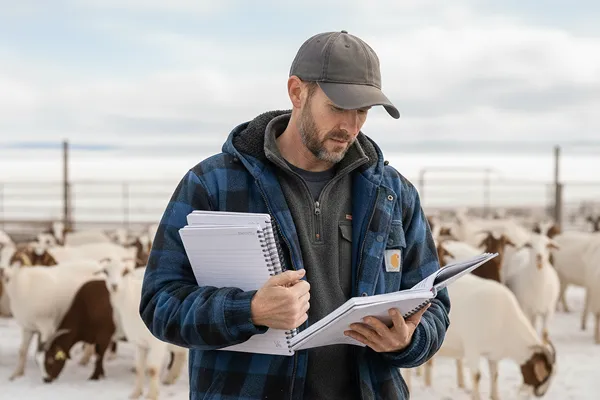
Running a modern livestock operation means balancing tight margins, unpredictable conditions, and constant pressure to do more with less. Yet many farms still rely on notebooks, spreadsheets, and memory to track animals — tools that feel “good enough,” but quietly chip away at profitability every single day.
Manual tracking doesn’t usually fail in dramatic ways. Instead, it drains revenue through small, consistent inefficiencies that go unnoticed until they add up. Here are three of the biggest (and most expensive) places where manual processes hold your operation back.
1. Missed Performance Insights = Lost Productivity
Livestock performance is driven by trends like growth, health history, breeding cycles, weight changes and more. With manual tracking, those trends are scattered across pages and files, making it nearly impossible to catch issues early.
That means:
Underperforming animals go unnoticed
Health problems are detected late
Breeding windows get missed or mis-timed
Each one may seem small, but together they reduce productivity and slow herd improvement. When you can see performance patterns instantly, you can take action before small problems become costly ones.
2. Human Error Adds Up Faster Than You Think
Even the most experienced livestock owner can make mistakes, it’s impossible not to. A number copied wrong, a treatment recorded late, a weight entry forgotten during a busy day.
In manual systems, those tiny errors can lead to:
Incorrect treatment schedules
Inaccurate weight histories
Misidentified animals
Gaps that cost time or money
And because it’s hard to audit handwritten or scattered data, these errors often don’t reveal themselves until they’ve already affected outcomes. Digital tracking dramatically tightens accuracy without adding work.

3. Time Spent Tracking Is Time Not Spent Managing
Every minute spent writing down notes, sorting through records, or updating spreadsheets is time that could be used on higher-value work.
Manual tracking steals time through:
Repetitive data entry
Searching for past records
Consolidating multiple logs
Rewriting or reformatting information
Over a month, a season, or years, those hours add up and they represent real labor costs. When data updates automatically and records are instantly accessible, you gain time back for actual management, oversight, and growth.
Modern Tools Turn Tracking Into Profit Protection
Manual tracking isn’t necessarily failing, it’s just not built for the speed and complexity of today’s livestock operations. Digital management tools eliminate these hidden drains by bringing all your data together, automating updates, and giving you real-time visibility across your entire herd.
The result? Better decisions, fewer mistakes, and a lift in revenue that used to slip through the cracks.
If you're ready to stop losing money to manual processes, now’s the perfect time to modernize your tracking and take control of your margins.

You Asked, We Answered
1. How does manual livestock tracking reduce profitability?
Manual tracking leads to missed data, slow decision-making, and small errors that compound over time. These issues directly impact animal performance and labor costs, all of which reduce overall revenue.
2. What are the most common mistakes in manual animal record-keeping?
Typical errors include incorrect weights, missed treatments, outdated health records, and incomplete breeding histories. These mistakes often go unnoticed and can result in lost productivity or other issues.
3. Why is digital livestock management more accurate than manual methods?
Digital platforms automate data capture and centralize records, eliminating the risk of handwritten errors or misplaced notes. This creates a single source of truth that improves accuracy and decision-making.
4. How does switching from spreadsheets & notes save time for livestock producers?
Producers spend less time writing notes, updating spreadsheets, and searching for past records. Automated systems reduce repetitive tasks, freeing up hours each week for higher-value management activities.
5. What signs indicate that a farm is outgrowing its manual tracking system?
Red flags include inconsistent records, difficulty finding past data, missed treatments or breeding dates, and growing herd sizes that strain notebooks or spreadsheets. These signs suggest it’s time to adopt digital tracking tools.